|
(Images above go with the Treasury section)
JMTA High Notes September 2025 —Vol. 29, no. 1 The general meeting and program for September was held on Thursday, September 11th, at 9:30am in the Mandarin Presbyterian Church choir room, 2501 Loretto Road with a program of teaching tips (see tips in the programs section on page 12). _____________________________________________________________________________ Table of Contents MEETING MINUTES May . . . . . . . . . . . . . . . . 3 - 5 TREASURY REPORTS May-August, Budget . . 6 - 11 Monthly Programs . . . . . . . . . . . . . . . . . . .12 – 14 MTNA and State News . . . . . . . . . . . .15 District IV News All About Student Day . . . .16 - 18 Over Coffee With Helen Marlais . . . . . . . . . .19 - 24 Peter Mack . . . . . . . . . . . .25 - 27 Brian Shephard . . . . . . . . 28 – 31 AREA CONCERTS AND RECITALS . . . . 31 Calendar of Events . . . . . . . . . . . . . . .33 President’s Pen Dear Colleagues, Welcome back everyone, and welcome to our new members! We have an exciting year of opportunities planned and we hope you will be able to join us. Our events include the FSMTA State Conference, which we are hosting in Amelia Island in October! I hope you will take advantage of the closeness of this location and attend. Here is a link for sign-ups for room monitors and ushers. We appreciate your help! http://bit.ly/424iV2I We also offer three JMTA Student Recitals, a Community Recital for advanced students, a Sonatina/Sonata Festival, the District IV Concerto Competition, and the annual District IV Student Day evaluations. We also have a High School Senior Scholarship competition opportunity for upcoming music majors, a Summer Music Camp Scholarship, and Community Service awards for 9th and 12th graders! Catch all the details on our website, jaxmta.org. Our monthly JMTA meetings/programs are all held on the second Thursday morning of the month, at 9:30am, except for December, and June through August. The programs are full of enrichment and assistance for our music teachers. This year we will hold our meetings/programs at different locations; emails will be sent out ahead each month. All are welcome to attend! We still have an opening on the board for someone to fill the wellness/liaison position, to give wellness tips for our teachers and students at our meetings. If you are interested, please contact me at [email protected]. In this issue of High Notes, we interview and get to know Helen Marlais. And thank you to Kama Rasmussen-Li for her interviews of immediate-past MTNA president Peter Mack and current MTNA president Brian Shephard. We look forward to seeing you this year and hope you’ll be able to engage your students in some of JMTA’s opportunities. Please let me know if you have any questions. Thank you! Sincerely, Angie Holt President, JMTA _____________________________________________________________________________ Welcome New Members! Mary Gniech Fabio Peluso Michelle Wise ________________________________________________________________________ MEETING MINUTES JMTA Meeting Minutes Wednesday, May 7, 2025, 9:30am Meeting held at Anita Renfroe’s Home/Zoom Present (In-Person): Anita Renfroe, Sandra Roberts, Kama Rasmussen-Li, Lorraine Sears, Erin Bennett, Stefanie Batson-Martin, Mary McKee, Angie Holt, Daniel Holt, Rhonda Danielson Present (Zoom): Lynn Freeman Call to Order: 9:53am (Angie Holt) Parliamentarian: (Lynn Freeman)
Secretary Minutes: (Stefanie Batson-Martin)
Treasurer’s Report: (Damon Martin and Stefanie Batson-Martin)
Vice-President/Membership: (Mary McKee)
COMMITTEE REPORTS: Communications & Social Media Update: (Angie Holt)
Programs: (Open)
Social: (Sandra Stewart)
Student Recitals: (Lorraine Sears & Gavin Taylor)
Scholarship: (Kamila Shahtakhtinski)
Student Day: (Angie Holt)
Altruistic: (Sandra Roberts)
Community Service Awards: (Joan Cordell)
Ethics: (Betty Atkinson)
Historian: (Paulette Kilts)
Wellness Liaison: (Denise Homsley)
Old Business:
New Business:
Adjourned: 10:27am (Angie Holt) Program: Featuring the winners of the D4 Concerto Competition and JMTA Scholarship Competition
________________________________________________________________________ TREASURY REPORTS (See images at the top of the document) ________________________________________________________________________ MONTHLY PROGRAMS September During our September program on Teaching Tips, Cheryl Dubberly shared the following. Thank you, Cheryl! Helpful websites and possible Clinicians These teachers are very active in their state MTNA and are always offering classes and resources for teachers. The first one is: Christina Whitlock Here is her website with the link for her teacher resources: https://christinawhitlock.com/teacher-support/ Janna Williamson (they collaborate and are currently offering a detailed class on teaching intermediate students… https://www.jannawilliamson.com/blog/how-to-evaluate-intermediate-repertoire-series Janna has a great youtube channel. She has varied repertoire and how to teach it. Dr. Elizabeth Davis has a podcast and great resources for how to effectively teach students on the spectrum and teaching students who learn differently. https://elizabethdavispiano.com/ Also if anyone is looking to upgrade their business skills I highly recommend https://www.musicstudiostartup.com/ Andrea also has a podcast called Music Studio Startup. She has someone onboard who helps teach teachers about taxes. These women have helped me immensely in my teaching in every aspect. Many things are free. Podcasts are free and are mostly weekly. Youtube channels are free. They also have memberships as well. In addition, Rhonda Danielson shared the following teaching tips. Thank you, Rhonda! Group learning and fun activities: 1 – Watched movie “Amadeus” party with teen students. They had a quiz to fill out while watching. 2 – St. Patrick’s Day – dressed in green, performed Irish songs, learned to dance an Irish Jig, tossed gold coins into a Leprechaun hat. 3 – Music symbol photo hunt – outdoors, on their own time 4 – South of the Border dinner recital – I made tissue flowers for the girls to wear in their hair, boys wore sombreros or straw hats, performed Mexican or Spanish pieces, pinatas, tacos, chips and guacamole dip 5 – Compose-a-Concert – Each student composed a piece, I made a booklet of their compositions and they performed them at our spring recital. 6 – All-American Recital performing patriotic songs, and pieces by American composers such as Stephen Foster, Scott Joplin, and Gershwin – followed by hot dogs, baked beans, French fries and lemonade. 7 – Sticker Chart – earn 25 stickers and get a composer statue Ways to earn a sticker: memorize a piece, complete a lesson book or theory book, compose a piece at least 8 measures long, write a report about a famous composer, participate in Student Day (3 stickers), listen to, or attend a symphony orchestra performance, participate in music performances at school or church, slip your teacher a $5 bill J 8 – Performance Class – close to Halloween, I dressed like a witch and performed a spooky song and did everything wrong. Students got to critique my performance and tell me all the things I did wrong, plus gave suggestions on what I could have done better. Then we learned how to be a good audience. They each played a Halloween piece and were allowed to say only nice compliments about each other. 9 – Candy Bowl filled with students’ favorite candies. A few times I had to ask students if they felt they had “earned” their piece of candy after their lesson. 10 – “A Musical Garden” Recital – based on a music book composed by Gail Smith. Students dressed like flowers, a King with his proclamation scroll, and other characters from the story. Sandy Stewart also mentioned she has had themed recitals, where for example each student performs a John Williams piece, which includes a lot of popular movies like Star Wars, Superman, etc. This has been a hit with students. Thank you everyone for your teaching tips! October For our next program on Thursday, October 9th, after the meeting, we will hear from our FSMTA State Conference chairman Dr. Anita Renfroe, with sign-ups for volunteer positions. We will also be helping to fill all the bags for the conference! Please consider signing up for a volunteer position to help out, it would be greatly appreciated. Location TBA. November More information will be coming soon about our program in November, on Thursday, November 13. Stay tuned! ________________________________________________________________________ Florida MTNA Competitions The Florida MTNA Competitions are being held on October 11-12 at the University of Florida in Gainesville. Rhonda Danielson is planning to attend and help out and asks if anyone would like to ride with her and share a hotel room. You can contact her at [email protected]. Following is a link with more info of the event: https://www.fmta.org/mtna-competitive-events.html ________________________________________________________________________ State NewsJoin us at the 2025 FSMTA State Conference! Thursday-Sunday, October 23-26, 2025 Courtyard and Springhill Suites 2700 Atlantic Avenue Amelia Island, FL Click here for more information: https://www.fmta.org/ Also, here is a link for sign-ups for room monitors and ushers. We appreciate your help! http://bit.ly/424iV2I ________________________________________________________________________ District IV News All About Student Day FSMTA offers an annual evaluation program called Student Day, which is “structured and comprehensive,” according to the FSMTA website. Students are tested annually, not only on their ability to perform, but also on their understanding of music theory and their general knowledge of music. Levels of difficulty range from Primary through Level 12. Over one thousand students enroll in Student Day every year in the state of Florida. Student Day began almost 60 years ago, with the first State Student Day in 1966, and the first District Student Day in 1967. If you would like to be a part of this historic and state-wide evaluation, our next Student Day will be held on Saturday, April 11, 2026, at Mandarin Baptist Church, 11244 San Jose Blvd., 32223. The application deadline is Friday, March 6. If you’ve been interested in registering some students for this rewarding annual event but need more information, we are happy to assist you! Student Day is not only available for piano, but also vocal, string, woodwind, classical guitar, percussion, brass, harp, organ, and accordion. The cost is just $30 per student, plus $15 for the teacher’s lunch that day. Here is the link to register: https://www.jaxmta.org/district-4-student-day.html When registering, choose which section each student would like, morning or afternoon. All their activities will fall into their chosen section, including a non-graded recital, where each student can play one of their Student Day pieces for their peers. The following breaks down what each level involves: Primary level: 2 memorized pieces and keyboard skills before a judge Written theory test Level 1: 2 memorized pieces and keyboard skills before a judge Written theory test Aural theory test Levels 2 through 4: 3 memorized pieces and keyboard skills before a judge Written theory test Aural theory test Levels 5 through 12: 3 memorized pieces from different musical eras and keyboard skills before a judge Written theory test Aural theory test Note: Memorization is required only for piano and vocal. For repertoire lists, sample written theory and aural theory tests, keyboard skills information, adjudication forms, etc., they are all on the FSMTA website. Click on Student Activities on the home screen, and then FSMTA Non-Competitive Events. Scroll down to Members of FSMTA, click on log in here, and use the current password of Chopin, which is case-sensitive. (The FSMTA password changes every October, and as a member you will receive an email from their website admin with the new password each year.) Or, you can click here to go to the website, where there is also a Handbook of Student Activities for more detailed information: https://www.fmta.org/student-day-handbook.html Once you log in, you will see these columns and more: The Written and Aural Theory column includes sample tests for written and aural Theory. The Piano Guidelines includes keyboard skills information including the musicianship questions and melodies for harmonization/transposition page where they pick one ahead of time to learn, as well as the suggested repertoire list. The Interactive Examination Sheets are what you’ll partially fill out and turn in for each student when you register, an example is to the right. Note: There are columns of guidelines for voice and for each of the different instruments as well. There are many excellent pieces listed on the repertoire lists for each level; however, you do not have to choose one of these pieces, as the lists are suggested guidelines. Note: The pieces must be original pieces, no arrangements, popular, traditional, or folk music. MUSIC MASTERS STUDENT DAY CURRICULUM In addition, an independent teacher has created a curriculum to help you prepare your students for the keyboard skills, written theory, and aural theory testing with helpful workbooks for each level. These follow the same leveling and guidelines that are provided in the Student Activities Handbook on the FSMTA website. These materials will assist students in mastering the FSMTA guidelines for Student Day. The contact information is as follows: Music Masters, 4111 NW 79 Ave., Coral Springs, FL 33065. To order, email Sue Colvert at Music Masters at [email protected]. The phone number is 954-752-2856. For their hard work and preparation, each student receives a beautiful certificate, and a medallion if they receive achievement. If they receive honors in their judge audition and at least an achievement in their written theory and aural theory, they also receive an honors ribbon from the State, and are invited to perform in the Honors recital held in the Recital Hall at UNF. Please don’t hesitate to contact me if you need assistance. I will be happy to answer any questions you may have!
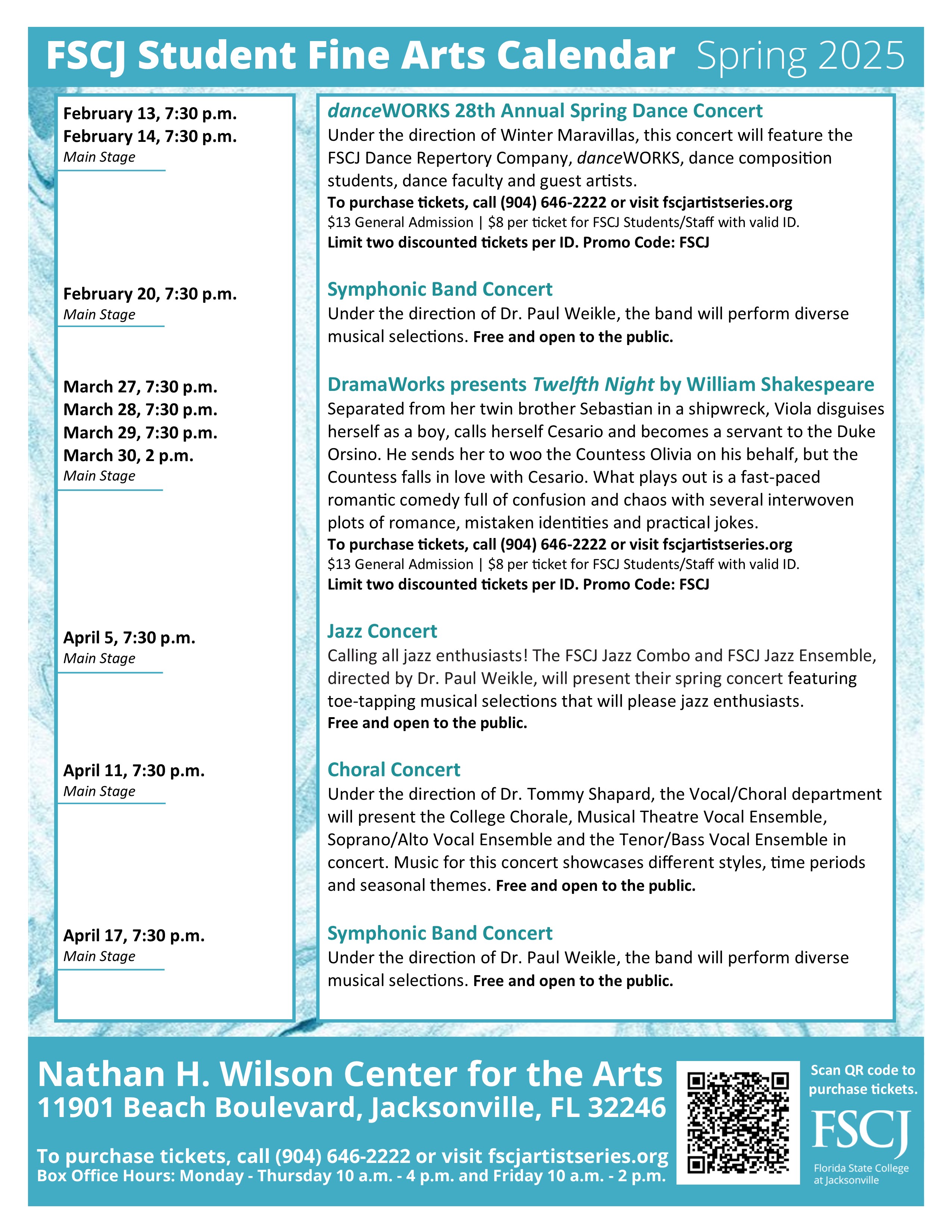
________________________________________________________________________ Over Coffee With . . . Helen Marlais This month we are getting to know Helen Marlais, who will be presenting an FJH Music Company Showcase at the upcoming State Conference in October, titled “Sound, physical gesture, and imagination.” Thank you, Helen, for sharing with us! Q. Please tell us a little bit about yourself. A. I was born in northern Italy and grew up in the United States. My mother was Italian, and my father was from Dubrovnik, Croatia. My mother’s maiden name was Rossini, so we are probably related to the famous composer! My mother moved to NY, NY after WW II, and my father served in the same war on the USS Breton. They met in NY, NY, and we moved to Maumee, Ohio where I was raised. My parents were great appreciators of music. My mother was a fine pianist, and my father would listen to the opera from the MET every Saturday. My older brother took his piano lessons very seriously, and we would listen to classical music all of the time at home, with my brother conducting to recordings, quizzing me on which symphony was which. Maumee, Ohio was a great place to grow up, and I remember walking everywhere - to the church and the school, to Side Cut Park and the Maumee River, to my friend’s homes, and to all of the little stores along the main street, including the local butcher shop. It really was a picture perfect midwestern vibrant small town. I still remember the inviting scent of the inside of the public library, and the big house with the white columns that was part of the Underground Railroad. Every summer at the Toledo Zoo there were classical music and band concerts. It was fun to listen to the orchestra or the band, watch dancers, and listen to piano soloists with orchestra while hearing birds and zoo animals “sing” along. Q. What inspired you to begin music lessons? A. Music was something that my parents wanted me to do. I took dance lessons as well. One year my mother said that they couldn’t afford both, and I would have to choose, and I chose the piano. In third grade I received a standing ovation at my school after playing the Largo theme from Dvorak’s Symphony No. 9. There were words to the music, and it was titled, River Road. I remember wearing red, white, and blue since the theme for the school concert was patriotism. I enjoyed the recitals, the lessons, the little competitions when I was young, and practicing. As the years progressed, there were more performance opportunities, and practicing the piano was always a good way to get away from the rest of the world and focus on making beautiful music. My parents would take my brother and me to the Toledo Symphony in the gorgeous Peristyle at the Toledo Museum of Art, and I remember putting my head on my dad’s shoulder and enjoy watching the orchestra play impressive music by the great composers. My mother would sing the themes of pieces I practiced, or danced around the house if the piece was meant to be danced to! Q. Did you have a favorite music teacher(s) that made music more enjoyable? A. My favorite teacher was my third teacher, Professor Frances Renzi. During my university years, she taught me a great deal and I admired her playing and her background. She was a student of Rosina Lhevinne who also taught Van Cliburn, John Browning, Mischa Dichter, Garrick Olsen, and others from the 1940’s-1960’s at Juilliard. Frances taught me about using physical gestures to create the best sounds at the instrument, how to play with arm weight and use a singing flexible wrist, how to voice, balance, and how to use the pedal so that the music sings and is clear. I learned a lot from professors during my MFA and DM degrees as well, and became acquainted with both the German school and the Dorothy Taubman approaches. My Carnegie Mellon University chamber music professor was a student of Siloti, who studied with Liszt. Q. Tell us about some things you have been/are involved in. A. I am busy as a pianist, pedagogue, and author. I have given over 800 pedagogical presentations and masterclasses throughout the United States. Internationally, I have given presentations and master classes in India, Australia, New Zealand, S. Korea, Taiwan, Jamaica, Italy, Turkey, and Canada. The piano series' that I have written and published for The FJH Music Company have become an integral part of piano students’ repertoire across the country and abroad. The methods: Succeeding at the Piano,® and The All-in-One Approach to Succeeding at the Piano®; and the series, Succeeding with the Masters, ® The Festival Collection, ® and In Recital® all have companion CD recordings for each book. Other series that round out my catalog are: Sight Reading and Rhythm Every Day,® Energize Your Fingers Every Day, ® Play Your Scales and Chords Every day, ® The FJH Intervallic Reading Series®. Write, Play, and Hear Your Theory Every Day, the FJH Adult Piano Curriculum, and In Recital® for the Advancing Pianist. The Contemporary Keyboard Editions® focuses on piano music by contemporary art-music composers. Her series are known for their strong commitment to musicality, body-friendly technique, and the importance of classical composers, all taught in a joy-filled manner. All of the 250+ books are under the umbrella titled The FJH Pianist’s Curriculum®. I created a website for teachers with over 1,500 free teaching videos on it: www.HelenMarlais.com. The videos are arranged by 100 different categories, so if there is a specific subject a teacher wants to explore, such as “pedaling”, one can find the link and several videos pop up on that topic. There is also a section where one can find information guides on all of my books, and another section that shows all of the publications. Teachers can see how all the series correlate with each other for a well-rounded curriculum for piano students. There is also a YouTube channel (Piano Lessons Helen Marlais) and a FB page devoted to the “Succeeding at the Piano” method as well as anyone who wishes to discuss the entire correlating curriculum, FJH composers, students, common issues, etc. Q. Do you have a story of something that happened during one of your performances and how you handled it? A. I have played over 400 recitals with my husband, virtuoso clarinetist, Arthur Campbell. Our tours have taken us to so many places around the world, and the people whom we met have been permanently imprinted on my heart. In addition to the countries I listed above, we also performed in France, Austria, Germany, England, Spain, Estonia, the Ukraine, China, and many others. During a visit to the Turkish bazaar in Istanbul after a performance, a shopkeeper looked at me and quickly held out his hand to shake my husband’s hand, and asked at the same time, “how many camels for her?” Thank goodness Arthur didn’t shake his hand, or I would have been traded for some camels! As for something entertaining that happened during a performance, my mind wanders to two concert tours. After professional concerts in Jamaica, Arthur and I were asked to play for children at an El Sistema school. The breeze was blowing, and my music started to fall to the floor. One of the young boys - he must have been around 10 - jumped up and held onto my music and turned the pages for me for the rest of the concert. I was so surprised that someone that young knew exactly what to do, and he certainly helped make the recital a success. After the recital, all the girls ran up to me, and all the boys ran up to Arthur, and the girls touched my arms and exclaimed, “you are so white and beautiful!” and I touched their arms and exclaimed, “you are so dark and beautiful!”. Another concert tour was in a beautiful mountain range in France. The Romanesque church was beautiful, with a fine Bosendorfer Grand 290 Imperial. I played the first half with a French pianist, playing all of the Brahms Hungarian Dances. The second half was with my husband, Arthur. The only issue was that it was quite cold in this church. My solution? Wearing my sequined, full length evening gown, I put on a pair of jeans underneath, just to keep warm. When I walked off the stage, the audience could easily see my jeans under the slit in the back of the dress. After the concert, several people came up and laughed with me. Q. What advice would you give to help focus before a performance and curb nerves? A. I tell my students- those who win local, state, and national competitions, as well as those who take piano lessons for just the sheer joy of making music, that they know the music more than anyone else in the room, so go perform and share their music. I tell them to be confident and be calm. I tell them that they are ready because they have prepared well. Of course, I will say this many times before the actual performance takes place, so that the student is in the right frame of mind for several weeks. I believe that teachers should strive to help their students feel extremely confident and positive. During monthly performance classes, I talk about how practicing is like an iceberg… the finished performance is the top of the iceberg that we can see. The biggest part of the iceberg is below the water, and this represents our practicing. The more one practices efficiently, intelligently, and with focus, the stronger the top of the iceberg will be. Q. What is one of the most interesting places you've visited, and why? A. This is really hard to say. From the Taj Mahal in India, to the Buddist temples in S. Korea, to the beautiful vistas and historical cities in Europe, to the awesome forests, wildlife, and ocean in Canada, every place is interesting because of the different people, languages, cuisines, cultures, and habitats. One thing I know for sure – that one can find lovers of good music everywhere, even in surprising places, and that creates a bond for humankind that is extremely special. Q. What do you find to be a challenge in teaching music and what do you find that helps? A. Students who do not want to learn – that is challenging. Depending on the student, I try to find ways to motivate them. Sometimes it’s teaching music history, (using the Succeeding with the Masters repertoire books and the correlating Student Activity books), show them how a piano works, let them play music games and use the white board, and definitely use several series at once… I notice that if I give them a little bit of each series, even a page of two, they can succeed better with their practice during the week. So, for example I would have them use my method, Succeeding at the Piano, and then add a page or two of Energize your fingers every day, a piece from In Recital, and others books. In this way, they learn how to read, and they are amazed at how much they can accomplish within a short period of time every day. Performance classes where students learn together are always motivating, and soon everyone is excited to learn how to play the piano!! Q. Who are some of your favorite music composers? A. This is also a challenging question – it all depends on my mood. Every time I teach piano literature at the university is when I discover music students falling in love with so many different composers and this makes me so happy. Of course, I never tire of listening to the music of the master composers. I do also love the music of Chabrier, York Bowen, Faure, Moszkowski, Amy Beach, Maria Agnesi, Hedwig Chretien, Clara Schumann, Granados, Smetana, Janacek, Lowell Liebermann, and Robert Helps. This past year my studio put on a recital of lesser-known composers, and I found the music of Florence Price, William Grant Still, and Nkeiru Okoye to be wonderful. The music that I researched and compiled in my series: The Festival Collection, Succeeding with the Masters, The Sonatina Series, and The Contemporary Keyboard Editions has a wide variety of fantastic music from interesting and compelling composers. My favorite pianists are Jean-Yves Thibaudet, Nikolai Lugansky, and Yunchan Lim. Also, we are including here interviews of Peter Mack and Brian Shephard who will be at the conference. Peter Mack will be a workshop presenter, and Brian Shephard will be the banquet guest speaker. Interview with MTNA Immediate Past President, Peter Mack By Kama Rasmussen-Li, M.M. Co-Registrar/Secretary, 2025 FSMTA Conference President, District IV FSMTA MTNA Immediate Past President Peter Mack, NCTM, is a nationally renowned performer, clinician and convention artist. Originally from Ireland, he now lives in Seattle, Washington, where he runs a successful private studio. He was professor of piano at Cornish College for 33 years. A choral scholar at Trinity College Dublin, Peter received his master’s degree from the University of Cincinnati and his doctorate from the University of Washington. His students frequently win local, national and even international competitions. Peter is the proud teacher of 20 MTNA Competition national finalists and of three MTNA national first-place winners. He has written for Keyboard Companion, the Clarion and American Music Teacher. For MTNA, Peter served on the national board as vice president (2017–2019) and as Northwest Division director (2010–2012). He chaired the planning committee for the 2014 Chicago National Conference, coordinated Pedagogy Saturday for the 2012 New York Conference and has led the Artistry Track multiple times. The 2015 Las Vegas conference saw him honored as a surprise MTNA Foundation Fellow. For Washington State, he has served as district vice president (organizing two district conferences), education board member (two five-year terms), and adjudicator chair (organizing two adjudicator conferences). Peter is currently Washington State’s Foundation chair and serves on its nominating committee. He is especially honored to administer the state’s needy student MAP subsidy program. Peter has adjudicated for Washington’s amazing MAP/adjudications program for 23 years. Tell us a little about your background. I was born in Ireland, where I went to Trinity College, Dublin. My mother loved music, but my family was not particularly musical. I came to the United States for graduate school: first, the University of Cincinnati, and then the University of Washington. I’ve lived in Seattle since 1985. What were the key things that brought you to where you are today? I’ve been lucky to study with, or be mentored by some wonderful people. My teacher in Ireland, Frank Heneghan, made me realize that I could make a living as a musician. My teacher in America, Bela Siki, showed me how. What are some key pieces of advice or sayings of your own teachers and mentors that you use every day? I remember how incredibly enthusiastic Frank was about feelings and conveying them with music. Sometimes he would dance around his studio, singing and trying to make me understand just how fun a particular passage was, with absolutely no worries about looking undignified. We can’t take ourselves too seriously; we should remember to enjoy what we do every day. Something else that I think about every time I teach: I was unfortunate to study with someone who used to teach by fear and intimidation (neither of the wonderful teachers I have mentioned so far) Luckily, it didn’t last long, but it made me determined that if I taught, I would never be like that. We should always be kind. When we teach, we have the opportunity to do so many wonderful things, but we can also do tremendous harm. What things do you think have contributed the most to your students’ success at competitions? How do you get that elusive personal best performance? We plan well in advance. If my students feel insecure about memory, or they haven’t had much experience performing their pieces in front of an audience, they won’t play their best. Every time they play in a lesson, I make them give a performance, rather than just going through the notes. So they bow, smile, get themselves ready before they play, so that they are completely comfortable with the idea of performing rather than playing. I see my job as trying to get them to cope with as many variables ahead of time as they possibly can. When they are performing a piece in a lesson, I sometimes ask things like, “How would you play that differently if the piano makes no sound?” “What will you do if middle pedal stops working?“ “The judges look old, and a little bit deaf. What are you going to do so they notice you?“ Everyone is different, but how do you know when a piece is really ready for you to perform? How about for your students? This is a great question. Every performance is a journey. As you travel, perhaps you have to direct traffic, but you also need to enjoy the scenery. If you’re just directing traffic, you’re missing out so much. But if you just enjoy the scenery, you might take a wrong turn. I feel that we are ready to perform when we’re able to balance both. Can you share some fun/funny teaching or performance stories? I was once playing a performance with an orchestra when the piano started to move away from me, literally rolling towards the cellos. Fortunately, an orchestra passage came up fairly soon, so I was able to hunker down and lock the wheels in place so it didn’t move any further. But it was an unforgettable moment that could have been quite disastrous. What are the most important upcoming challenges you foresee for music teachers and what ideas do you have to help navigate through them? Education is changing, and society is changing along with it. It used to be a given that music was an important part of every school’s curriculum. Now it’s an added extra, if it’s there at all. Music is a wonderful, important thing that enriches lives immeasurably. But I fear that our message is getting lost. How do we get heard above all the distraction? What were some of the most difficult or your least favorite parts of being President of MTNA? The easiest? The most fun, fulfilling, and rewarding? I absolutely enjoyed meeting people, and seeing what the different state and local organizations do. The challenges? Our long term and much loved CEO, Gary Ingle, announced his retirement during my tenure. We were fortunate that our nationwide search found an ideal successor in Brian Shepard. But that was an unexpected turn of events for me. With the help of a wonderful search committee, it turned out to be an enjoyable experience. What are some of the newest hot topics in national music teacher organization circles? The repertoire that people are studying now is very different from what it was 10 years ago. There’s a whole world of neglected composers to discover. It’s very exciting. Of course, not every piece that languishes in obscurity is worthy of resurrection; some gems are best left unmined. But I’m very happy not to hear the same old same old every time. Interview with MTNA CEO, Brian Shepard By Kama Rasmussen-Li, M.M. Co-Registrar/Secretary, 2025 FSMTA Conference President, District IV FSMTA Brian Shepard is Chief Executive Officer of Music Teachers National Association. Shepard first began his career at MTNA in 2003 as the Director of Marketing and Public Relations. In 2008, as a result of his successes in marketing the programs and services of MTNA, he was promoted to Chief Operating Officer. During his tenure as COO, Shepard has increased the association’s operational efficiencies, overseen the expansion of MTNA’s in-person national events, grown current revenue streams and introduced new ones to further the organization’s mission. In addition to his work at MTNA, Shepard serves on several other nonprofit boards and committees. From 2009 to the present, Brian has served in multiple leadership roles with the American Classical Music Hall of Fame, including Board Chair and Professional Organizations Advisory Council Chair. He currently serves the Hall of Fame as Board President. Since 2013, he has been a member of the CCMpower Board, having held the positions of Treasurer, Harmony Fund Co-Chair, Awards Committee Co-Chair, Board Development Committee Co-Chair and Membership Committee Co-Chair. Shepard has also served on the Cincinnati Opera Sales and Marketing Committee and was President of the Middletown Music Club for three years. Shepard is also an accomplished musician who performs frequently for church and community programs as a pianist, vocal soloist and choral conductor. A graduate of Miami University of Ohio, Shepard holds degrees in marketing and music education. He was named an MTNA Foundation Fellow in 2010. Tell us a little about your background. What were the key things that brought you to where you are today? I am originally from Southwest Ohio. I was fortunate to grow up in a home where music was an important part of our family life. In fact, all my family (including both of my parents as adults) studied with the same piano teacher. It was through my early years of piano lessons that I first became familiar with MTNA and the programs its local associations offered students and teachers. My participation in these laid the foundation for a lifelong appreciation of music. Those experiences were the driving force for me to continue studying music and find a career that combined my love for music and organizational leadership. How did you know you wanted to work with MTNA? How did you find out about the opportunity to work with MTNA? Throughout my music studies, all my piano teachers and some of my voice teachers were members of MTNA, so the association was always on my radar. Also, my first piano teacher’s cousin was the Executive Director of MTNA when I was in high school. In addition to those early connections to MTNA, while I was in college, a close friend from my hometown started working at MTNA. She introduced me to now CEO Emeritus Gary Ingle during a reception at CCM during the first National Group Piano and Piano Pedagogy Forum. That brief introduction 25 years ago ended up leading to the creation of a new role at MTNA in 2003, shortly after I graduated from college. Some planets or stars or divine intervention obviously aligned to put all this into motion. I could never have envisioned how all this would come together like it did, but it did. Fun fact: There are now three people from Middletown, Ohio, who have led MTNA as Executive Director/CEO role during its nearly 150-year history: Mariann Clinton, Shirley Raut and now me! And before MTNA, how did you decide to go into marketing and arts administration? How did you make the decision to move away from teaching in the classroom or the private music studio? As you know from my bio, I have degrees in music education as well as marketing. I originally began college with the intent of being a high school choir director upon graduation. Right before my senior year started, I was gearing up for my first student teaching placement. I attended one day of show choir camp and realized that my talents lay elsewhere. I can still remember calling my parents from my summer job to see if I could add on a marketing degree to start a path into the world of arts management. Fortunately, they said that I needed to do what I felt was best for my future. (I’m forever grateful to them!) While completing both degrees, the coursework also fulfilled the requirements for an arts management minor, which was an added bonus! Take us through one of your typical work days. Lots of emails, lots of Zoom meetings and a decent amount of travel! No day is ever really the same, which is great, but that does make it hard to get a good routine going. And I love a good routine! How was TEMPO, the new virtual conference? How many people registered? Were you able to keep track of how many people watched the videos, and what were the topics that had the most views? What were your big take-aways from TEMPO? TEMPO was an awesome experience! We had about 500 people participate. Our goal was to provide access to a national event by eliminating many of the barriers that prevent people from attending an in-person national conference—cost, mobility, health, childcare etc. The app we used was able to provide some insights into what sessions attendees enjoyed the most, David Cutler, Dominic Cheli. Participants also loved the live special interest discussion groups and Division gatherings. While the event was a heavy lift for the staff to produce right after the in-person conference in Minneapolis, we feel it’s important to continue offering accessible online events, so stay tuned for more virtual education opportunities with the TEMPO branding. For our readers who haven’t heard your interviews with Tim Topham and others, can you tell us a little about your vision for MTNA in the next year, next few years, 10 years? What are the most important upcoming challenges you foresee? Your vision includes many exciting ideas!! My ultimate goal is to make MTNA the one thing that studio music teachers can’t live without! I want to create a warm welcoming community that is open to all regardless of background, age, education etc. I want to meet members wherever they are in their professional journey and provide them with the tools they need to get to the next level. I want to harness technology to support our association and its members, and I want to ensure that MTNA is around in another 150 years for its 300th anniversary. It’s a big vision, but I know that working together, we can accomplish pretty much anything. What are some of the most difficult or your least favorite parts of being MTNA’s new CEO? The easiest? The most fun and rewarding? The hardest part of my role is prioritizing all the amazing initiatives we have on the horizon (or would like to have on the horizon). I’m the kind of guy who wants to do them all right now but obviously we have to make some tough decisions based on capacity. One day we’ll get through that list though! The most rewarding part of my job is being able to travel around the country to meet our members and attend state conferences. I love getting to see and hear about what our teachers are doing and then figuring out how MTNA can best support their careers in the future. What are some of the newest hot topics in national music teacher organization circles? What are your current big MTNA projects? There are some perennial topics that we’ll always be addressing like student recruitment and motivation and professional burnout, but with changes in society, we’ve got to discern how we can best create community and how we responsibly and ethically use AI and all the other tools that are now at our disposal. And regarding hot topics and MTNA’s future, we have two huge projects going on right now. 1) An in-depth strategic planning process that the Board is engaging in and 2) A multi-year new database/website project. Both are going to revolutionize how the association focuses and operates, and I’m thrilled to see how both of these investments propel the association into the future! ________________________________________________________________________ AREA CONCERTS AND RECITALS Community Hospice Performances If you would be interested in performing a recital at the Hadlow Center at the Community Hospice and Pallative Care on Sunbeam Road, they sponsor a monthly performance titled First Friday Recital Series, with performances starting at 11:30 a.m. If you are interested, please contact Dr. Sandra Stewart at 904-333-9280. Click on each link for a calendar of upcoming performances: The Jacksonville Symphony Orchestra Events Click on link for more information and tickets: Events | Jacksonville Symphony University of North Florida Music Events Click on link for more information and tickets: https://www.unf.edu/coas/music/events.html Florida State College at Jacksonville Click on link for more information and tickets: fine-arts-calendar.jpg (2550×3300) Friday Musicale Events Click on link for more information and tickets: https://fridaymusicale.com/events/ St. Johns Cathedral Music Events Click on link for more information and tickets: https://www.jaxcathedral.org/events/ ________________________________________________________________________Find A Teacher Section on Jaxmta.org eachers, please take a moment to check out your information on our Find A Teacher page on the JMTA website (jaxmta.org). If you would like any changes made, or if you’re not listed yet and would like to be added, please contact Angie Holt at [email protected] with the verbiage you would like put in. ________________________________________________________________________ Did You Know? Residents of Duval county, if they have a Jacksonville Library card, can use the many electronic resources from the https://jaxpubliclibrary.org/digital-library. Getting a library card is free. All that's needed is your driver's license and sign up in person at any of the 21 branches. The card allows the use of Kanopy - which has free streaming movies, documentaries, educational resources [older teens/adults]. I saw a documentary "Making the Grade" which profiled Irish students and piano teachers whose students are preparing to take the Irish Royal Academy of Music Examinations. It was funny, moving, informative, and relatable, especially seeing snippets of the teacher's lessons in action and how the students feel about piano and their teachers overall. I highly recommend members watch it (and explore the other resources available from JPL)! - JohnWillard Utuk ________________________________________________________________________ Need a Sponsor? Does anyone in the JMTA need a sponsor or need help in any way? If so, John Scott, owner of Jacksonville School of Music & First Coast School of Music, is interested in helping our organization. If interested, contact John at [email protected]. His direction phone number is 904-248-1848. ________________________________________________________________________ Music Exchange Do you have too much music collected in your studio? Is there some you think you'll never use? Bring your unneeded music to any JMTA meeting. Bring home something new to you! Look for the "Free Music" spot. Music does not have to be brand new. __________________________________________________________ Have you found us on Facebook? Follow JMTA on Facebook for the latest happenings, photos, videos, and more! __________________________________________________________ Events CalendarPlease view our website for any updates or additions to these events, as well as for more details including application deadlines: www.jaxmta.org. Thursday, October 9 9:30am – Meeting After - Program JMTA General Meeting and Program TBA Sunday, October 19 2:30pm JMTA Student Recital River Garden Senior Services, 11401 Old St. Augustine Rd., 32258 Thursday, November 13 9:30am – Meeting After - Program JMTA General Meeting and Program TBA Stay tuned for more events to come! High Notes is distributed on the first of the month excluding June-August and December. All submissions are due by the 20th of the month prior to distribution. Submissions may be sent to [email protected]. |
High NotesJMTA Newsletter Categories |


 RSS Feed